本文へジャンプ

【ことしも無事「完走」毎日更新ブログ-21年目へ】


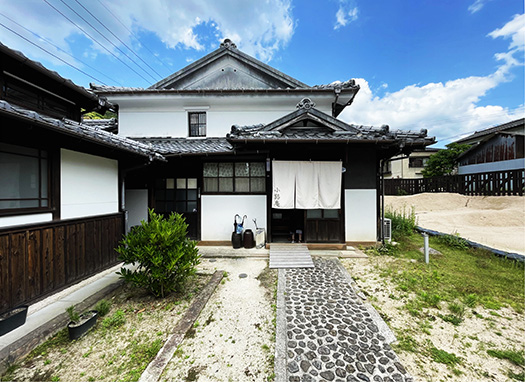
 本日のキャッチ画像は不肖わが家の外観。ことし築34年目を無事に経過してきました。
 新築当時は写真で突き出している2階建て部分は存在しなかったのですが、大型リフォームだけでも3回ほど経験してきて、今現在も事務所兼用住宅として多機能利用に元気よく堪えてくれている。やはり基本の「コンクリートブロック造」部分が堅固なので、この方法で建てて良かったなぁといつも思わされております。雪かき道具も見えているように「管理人」役をこなしながら日々建築見守り隊。
 さて、本日でことしも終了、大みそか。
 現在も住宅関係でのいくつかのお役目もいただいていますが、中心的には「探究」没頭型の生活を送らせていただけ、その領域の深まりが静かな興奮を呼び起こしてくれる日々。生来「歴史」人間のいとなみ、生き様への強い興味がベースなので、その方向に数寄が向かってきている。
 また自分自身も「高齢化社会」のただ中にいる人間として、高齢化自体にも深い興味。
 そういう暮らしの中でいちばん続けてきて良かったと思えるのが、ことし満20年を超えて継続して「毎日更新」を義務づけているこのブログ更新。ありがたいことに毎日見てくれていたり、さらにコメントを継続的に寄せてくれる方も。そうした「叱咤」こそがわたしのこのブログの最大の財産だと思っています。人間は社会の中で生かされている存在。こうしたコミュニケーションはその最良の資産なのだと痛感させられます。深く感謝。
 人間個人という存在はやがて肉体の限界とともに消え去っていくでしょうが、しかし人類知としてのWEBという記憶装置では一定程度の長期間、残り続けることが予測されます。
 淡々と継続することこそ最高のよろこび。
 そのためには決して社会性を失わず、なるべく広い視野に立って平明に見ていきたいと念願しています。本年もたいへんありがとうございました。みなさまにとって、新しい年も素晴らしい年でありますように祈念いたします。

●お知らせ
拙書「作家と住空間」幻冬舎から電子書籍で発刊
お求めはAmazonで。
https://amzn.asia/d/eUiv9yO
English version⬇ 

This year too, I’ve safely “completed the race”—my daily blog updates head into their 21st year.
Architecture runs alongside human life.
Snow shoveling and other caretaker duties are expressions of gratitude.
Next year too, I’ll strive to continue this “daily” practice with quiet dedication.

 Today’s featured image shows the exterior of my humble abode. It has safely passed its 34th year since construction this year.
When it was newly built, the two-story section protruding in the photo didn’t exist. We’ve undergone about three major renovations since then, and even now, it’s still cheerfully holding up as a multifunctional space serving as both an office and residence. The fundamental “concrete block construction” part is so sturdy that it always makes me think building this way was definitely the right choice. As you can see from the snow shovels, I serve as its “caretaker,” keeping a daily watch over the building.
Well, today marks the end of the year—New Year’s Eve.
While I still handle several housing-related responsibilities, my life is primarily centered around immersive “exploration.” Each day, delving deeper into this realm stirs a quiet excitement within me. My innate fascination with the activities and ways of living of historical figures forms the foundation, so my interests naturally gravitate in that direction.
As someone living right in the midst of an aging society myself, I also have a deep interest in aging itself.
Within this lifestyle, the thing I feel most glad to have kept up is this blog update, which I’ve obligated myself to update daily for over 20 years now. I am truly grateful to those who visit daily and, even more so, to those who consistently leave comments. I believe this “encouragement” is the greatest asset of this blog. Humans are beings sustained within society. Such communication makes me keenly aware that it is our finest asset. My deepest gratitude.
While the individual human being will eventually fade away with the limits of the physical body, it is predicted that within the web—this memory device of human knowledge—it will persist for a considerable period.
 The greatest joy lies in continuing steadily.
To achieve this, I earnestly wish to maintain my social connection, strive for a broad perspective, and observe things plainly. Thank you very much for this past year. I pray the new year will be a wonderful one for everyone.

●Notice
My book “Writers and Living Spaces” published as an e-book by Gentosha
Available on Amazon.
 

【岡本太郎アート「あしあと」 in 松永はきもの館】


 写真は、広島県福山市の松永はきもの館で出会っていた岡本太郎作品。
 岡本太郎さんのアートといえば1970年の大阪万博の「テーマ館」でプロデュースした「太陽の塔」(万博記念公園・吹田市)がいまでも高速道路上からも遠望できる超有名芸術家。当時通産省(現・経産省)の職員だった堺屋太一(のち作家・通産大臣)が万博をプロデュースしていたけれど、その方針を巡って激しく対立したとも言われている「芸術は爆発だ」のキャッチで知られている。
 この「足あと広場」は岡本太郎の作品の中で唯一、人に踏まれる(足で触れられる)作品として知られており、非常に希少なもの。
 作品名: 「足あと広場」(屋外モニュメント) 制作年: 1978年(昭和53年)
 経緯: 日本はきもの博物館(現・松永はきもの資料館)の開館に合わせて制作。
デザイン: 男女の足跡を主題としており男性の足跡と女性の足跡(おっぱいも表現されている)がモチーフ。
特徴: 屋外展示なのでその上を歩いて体験できる「パブリックアート」。
 岡本太郎の家は東京都内にあってそのまま「記念館」になっていて、かれのアトリエがそのまま公開されている。かれの主義として、作品は多くの人に「触れられてなんぼのもの」と言う考えのようで、著作権どうこうという考えは超越しているように思える。にしても子どもたちがその上で遊び回れる作品というのも珍しい。参観した日にもそういう子どもさんが見られた。ひとりの日本人として共感できる生き方のひと。
 さて、ことしもあと2日。
 高齢期を迎えているけれど、まだ健康面では元気いっぱいなので、相変わらずあちこちと飛び回っていられています。先日の関西ー中国地域行脚でも、レンタカーでの総走行距離は1,455km。クルマの運転は「認知」において即座の対応が不可欠な活動。多少は腰にけだるさはありましたが、認知面ではしっかりしております。また、その間の「1日あたりの運動歩数」も平均8,000歩は超えていた。
 そういうこころの健康を賦活するように、今後とも鍛えていきたいです。岡本太郎さんもきっとそんな「わかい心」の持ち主だったのではと思っています。来年以降も、まだまだ「爆発」し続けたい(笑)。

●お知らせ
拙書「作家と住空間」幻冬舎から電子書籍で発刊
お求めはAmazonで。
https://amzn.asia/d/eUiv9yO

English version⬇ 

【Taro Okamoto’s Artwork “Footprints” at Matsunaga Kimono Museum】
From beneath your feet, genius Taro Okamoto seems to call out, “Live life to the fullest!” Energetic seniors are Japan’s true strength. …

 The photograph shows a work by Taro Okamoto encountered at the Matsunaga Kimono Museum in Fukuyama City, Hiroshima Prefecture.
When it comes to Taro Okamoto’s art, he is an extremely famous artist whose “Tower of the Sun” (Expo ’70 Commemorative Park, Suita City), produced for the “Theme Pavilion” at the 1970 Osaka World Expo, can still be seen from the expressway. At the time, Taichi Sakaiya (later a writer and Minister of International Trade and Industry), then an official at the Ministry of International Trade and Industry (now the Ministry of Economy, Trade and Industry), was producing the Expo. It is said that Okamoto fiercely opposed Sakaiya’s approach, famously declaring “Art is an explosion!”
This “Footprint Plaza” is known as the only work by Taro Okamoto that people can walk on (touch with their feet), making it extremely rare.
 Title: “Footprint Plaza” (Outdoor Monument) Year Created: 1978 (Showa 53)
Background: Created for the opening of the Japan Kimono Museum (now the Matsunaga Kimono Museum).
Design: Features male and female footprints as its theme, with motifs of a man’s footprint and a woman’s footprint (which also depicts breasts).
Features: As an outdoor installation, it is a “public art” piece that can be experienced by walking on it.
Taro Okamoto’s house in Tokyo has been preserved as a “memorial museum,” with his studio open to the public. His philosophy seemed to be that art is only valuable if it can be touched by many people, transcending concerns about copyright. Even so, it’s rare to find a work where children can play freely on it. On the day I visited, I saw children doing just that. As a fellow Japanese person, I deeply resonate with his way of life.
Well, only two days left this year.
Though I’m entering my senior years, I’m still full of energy health-wise, so I continue to travel around everywhere. During my recent trip through the Kansai and Chugoku regions, my total rental car mileage was 1,455 km. Driving a car is an activity that demands immediate cognitive responses. While I felt some stiffness in my back, my cognitive abilities remained sharp. Moreover, my average daily step count during that period exceeded 8,000 steps.
I want to keep training to invigorate that kind of mental health. I believe Taro Okamoto must have possessed such a “young spirit” too. I want to keep “exploding” with energy well into next year and beyond (laugh).

●Notice
My book “Writers and Living Spaces” published as an e-book by Gentosha
Available on Amazon.
 

【明治末期の「事業魂」=地域「下駄」産業の原木供給へ】


 わが家では1905年(明治38年)に仏壇を背負って北海道に移住した。居住地は札幌から旭川へ北上する途中の岩見沢近郊。その地に故地・福山での地縁者が入植して成功を収めていたので、当主である祖父はその縁を頼って住み着いた。当時30歳を超えた時期。その「動機」については詳しく伝承を聞いてはいなかった。
 「恋女房」と思われる祖母と、ふたりの娘を抱いての北海道移住の動機がよくわからなかったのだ。
 しかしその動機と思える「状況証拠」が今回の福山市松永はきもの資料館への探訪で、徐々に見えてきた。
 写真は大正初期と思われる尾道港〜松永海岸での「木材集積」の様子。展示での説明文部分も拡大してみた。松永の塩田事業は、国内での過剰生産からの価格の低落圧力や、やがて到来した1905年の国家による「塩専売制」の導入などで、事業としての成長性は限界だった。江戸期以来、松永塩田の生産から尾道の商家となることで流通に至るまでの領域で活動してきた家系は、あらたな事業領域を目指していた。その時期に松永の「下駄産業」の旺盛な拡大は、刮目すべき事業エリアとして目の前に開けていた。
 わたしの祖父は、その下駄産業の原材料供給を目指し開拓の熱気に沸く北海道を事業目途とした。松永塩の北海道への輸送の「帰り便」貨物として原材料を積載させること。そういう様子は写真からも明示的。
 ビジネスの狙いとか動機は、それが成就してはじめて明かすもの。その狙いが失敗してしまったとき、その内容を明かすことは「繰り言」に過ぎない。しかし子孫としては正視して知るべきだろう。浮沈からの前進。
 こういう事業目的からの移住であり、しかしその木材の輸送において痛恨の失敗を犯してしまったワケだ。
 家系の縁者には広島県内の山林事業者もあったらしく温暖地でのノウハウ獲得はあったようだが、北海道・積雪寒冷地での造材事業者の経験知はやはり未熟だったのだ。
 わが家系の場合、そこからの復元は次世代の教育努力に向けられたと思える。30代早々での事業の失敗後、入植時の縁者の小作として生き延び、子どもたちに高等教育を受けさせる方向へ向かった。そして戦争〜終戦。さらに小作開放という劇的な転換を経て、商品作物の大阪市場への投機的参入など、祖父の商家家系としての挑戦は継続していくことになる。

●お知らせ
拙書「作家と住空間」幻冬舎から電子書籍で発刊
お求めはAmazonで。
https://amzn.asia/d/eUiv9yO

English version⬇ 

The “Entrepreneurial Spirit” of Late Meiji: Supplying Logs for the Regional “Geta” Industry
Failure is profoundly important. Human affairs are ever-changing. I believe descendants especially must confront this truth. Advance through each ebb and flow.

 My family migrated to Hokkaido in 1905 (Meiji 38), carrying our Buddhist altar on our backs. We settled near Iwamizawa, along the route north from Sapporo to Asahikawa. Relatives from our hometown of Fukuyama had already successfully settled there, so my grandfather, the head of the household, relied on those connections to make his home. He was over thirty at the time. I never heard detailed accounts of his “motivation” for this move.
 I never quite understood why he moved to Hokkaido with his wife, whom I assume was his beloved, and their two daughters.
However, circumstantial evidence suggesting his motivation gradually came into view during my recent visit to the Matsunaga Kimono Museum in Fukuyama City.
The photograph shows what appears to be timber stockpiling at Onomichi Port and Matsunaga Beach in the early Taisho era. I also enlarged the explanatory text from the exhibit. The Matsunaga salt field business faced limited growth potential due to price pressures from domestic overproduction and the eventual introduction of the state-run “salt monopoly system” in 1905. My family lineage, active since the Edo period in the entire domain from Matsunaga salt field production to distribution through Onomichi merchant houses, was seeking new business opportunities. At that time, the vigorous expansion of Matsunaga’s “wooden clog industry” presented itself as a remarkable business opportunity.
My grandfather set his sights on Hokkaido, then abuzz with pioneering fervor, aiming to supply raw materials for this clog industry. The plan was to load raw materials as return cargo on ships transporting Matsunaga salt to Hokkaido. This is clearly evident in the photographs.
 Business objectives and motivations are only revealed once they are achieved. When such aims fail, disclosing them becomes mere repetition. Yet as descendants, we should confront and understand them. Progress through trial and error.
This migration stemmed from such business objectives, yet it resulted in a bitter failure in timber transportation.
 While relatives in the family lineage apparently included forestry operators within Hiroshima Prefecture, suggesting some expertise in warmer regions, their knowledge of timber production in Hokkaido’s snowy, frigid climate remained insufficient.
In our family’s case, recovery from this setback seems to have been directed toward educational efforts for the next generation. After the business failure in his early thirties, he survived as a tenant farmer for relatives from the original settlement and steered his children toward higher education. Then came the war and its end. Following the dramatic shift of tenant liberation, my grandfather’s merchant lineage continued its challenges, including speculative ventures into commodity crops for the Osaka market.

●Notice
My book “Writers and Living Spaces” published as an e-book by Gentosha
Available on Amazon.

【松永の塩、尾道から北海道小樽へ「船荷証明」】


 現世、という言葉がある。なにげなく使っているけれど、自分自身が生かされているDNAの流れ、家系の血脈を考え始めると「過去世」が徐々に復元され、自分自身という現し身を越える、他者ではない「主体意識」が姿を現してくる。
 どちらも「人の世」でありさまざまな機縁・出来事には共通する普遍性がある。その当時の社会の一般的な実相を踏まえて自分のDNAが遭遇したことを追体験するという痛切なリアリティ。
 いわゆる歴史とは違う「いのちの履歴書」であるのかも知れない。
 高齢化社会、長寿社会ではこういった領域が興味深い人間探究テーマになると実感している。
 こういう探究を志向するとき、もっともわかりやすい機縁は博物館など「ミュージアム」の社会機能。わたしの場合は作家とか表現者のミュージアムで、その「人物の実相」とめぐり会うことが数寄になっている。その経験知を踏まえて自分のDNA史を重ね合わせてDNAを探究したいということ。
 そういう領域にとって現代の歴史探究最前線「地域史」の盛り上がりは最大のバックグラウンドになる。もう誰もが興味を持つ一般的歴史、信長だ家康だ秀吉だ、というレベルではない、庶民目線主体の歴史。
 ・・・庶民史としてわたしの家系は広島県福山市松永のすぐ隣の「今津」から北海道に移住してきたのだけれど、この間の地域的結びつきへの想像力がイマイチ実感できないで生きてきた。それがルーツを掘り起こす旅路を始めて見て、機縁が明確になってきている。
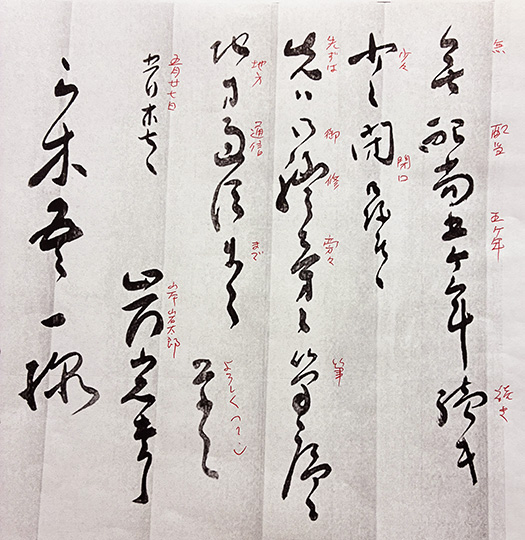
 今回松永の「資料館」で発見した一番上の文書。筆文字なので、ちょっと見方は必要だがあきらかに内容は、松永塩を北海道「後志(しりべし)小樽」に向けて船便で送った明治29年の証文。図は塩を生産した松永の製塩風景であり、描かれているのは山陽道の本陣宿・今津周辺の山並み。すぐ隣接の尾道の港から「北前交易船」が利用された。折から北海道ではサケを本州市場に送る「塩蔵」処理が進みコア材料として松永塩が移出された状況がわかる。
 松永の資料館では「ほぉ、北海道から来られた?」となかば呆れられ、次の瞬間、深い「同胞」感を持って驚かれていた。江戸期・明治の頃はもっと縁が近かったのに、大正・昭和・平成・令和と時代を経てきてむしろ縁遠くなっていたのが現実だったのでしょう。
 証文は、遠いけど強い絆を物語ってくれている。

●お知らせ
拙書「作家と住空間」幻冬舎から電子書籍で発刊
お求めはAmazonで。
https://amzn.asia/d/eUiv9yO

English version⬇ 

【Matsunaga Salt: From Onomichi to Otaru, Hokkaido – “Shipment Certificate”】
The words “Shiribeshi Otaru” appear on a Northward Trade document. During the Edo and Meiji periods, Onomichi and Fukuyama were close to Hokkaido. Yet by modern times, the distance had grown vast…

 There is a term called “this life.” We use it casually, but when we begin to contemplate the flow of DNA that sustains our own existence, the bloodline of our family lineage, the “past lives” gradually come to light. We awaken to the sensation of a “sense of self” emerging—one that transcends our present incarnation, yet is not that of another.
 Both are “human realms,” and the various causes, conditions, and events share a common universality. It compels a poignant reality: reliving what one’s DNA encountered, grounded in the general realities of society at that time.
It might be what you could call a “life resume,” distinct from conventional history.
In an aging society, a society of longevity, I feel this realm becomes a fascinating theme for human inquiry.
 When pursuing such inquiry, the most accessible opportunity lies in the social function of museums. For me, it has become a passion to encounter the “true essence of individuals” at museums dedicated to writers or artists. Building on that experiential knowledge, I wish to overlay my own DNA history and explore my DNA.
For this domain, the current boom in “local history” – the forefront of modern historical inquiry – provides the greatest backdrop. This isn’t the general history everyone knows—the level of Nobunaga, Ieyasu, or Hideyoshi—but history primarily from the common people’s perspective.
…As commoners’ history, my family migrated from “Imazu,” right next to Matsunaga in Fukuyama City, Hiroshima Prefecture, to Hokkaido. Yet, I’ve lived without truly grasping the imagination of the regional connections between these places. Starting this journey to unearth my roots has made the connection clear.
 The top document I discovered at Matsunaga’s “Museum” this time. It’s written in brush script, so it requires a bit of deciphering, but the content is clearly a certificate from Meiji 29 (1896) confirming the shipment of Matsunaga salt by sea to “Shiribeshi Otaru” in Hokkaido. The illustration depicts the salt production scene in Matsunaga, and the mountains depicted are those surrounding Imazu, the honjin post station on the Sanyo Road. The “Kitamae trading ships” departed from the adjacent port of Onomichi. At that time, Hokkaido was advancing the “salt preservation” process for sending salmon to Honshu markets, and Matsunaga salt was exported as a core material.
At the Matsunaga Museum, the staff reacted with a half-astonished “Oh, you came all the way from Hokkaido?” followed immediately by a deep sense of kinship and surprise. Though ties were closer during the Edo and Meiji periods, the reality is that they grew distant over the Taisho, Showa, Heisei, and Reiwa eras.
The contract documents tell a story of a bond that, though distant, remains strong.

●Notice
My book “Writers and Living Spaces” published as an e-book by Gentosha.
Available on Amazon.


【故地の「塩業」の歴史をさかのぼる時間紀行】


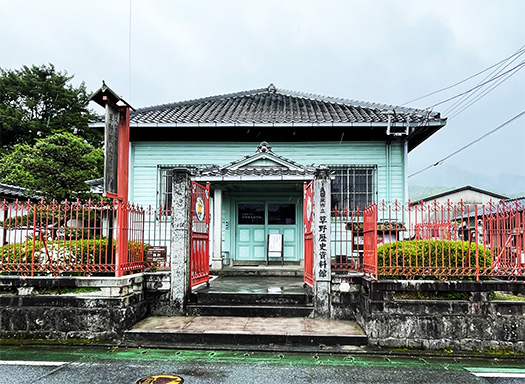
 昨日に引き続き広島県福山市松永の「松永はきもの資料館」探訪記。
 いまから2-300年昔の歴史的な事跡を掘り起こす旅路というのは、こうした資料館・博物館などのミュージアム施設での丹念な事実発見を必要とする。逆に言うと過去を保存してくれている公的施設というものは本当にありがたい。人間のいとなみは世に連れていくので世自体が変容していく中で、現実から人の痕跡が消えていく方がはるかに多い。
 塩業や下駄産業がこの松永の地域でいかに貴重な存在であった過去があったとしても、現代社会の中で現実に「用を果た」していなければ容赦なく消え去ってしまうのだ。この資料館はたまたま下駄産業を興した家系が、かろうじて後世にその「実相」を伝える役割を果たされている。深くその理念に感謝するところであります。わたし自身の家系の足跡も随伴的に記録保存されていると感じられる。
 上の図は江戸中期1660年頃にこの松永の浜辺で入浜式塩田を創始した様子を「絵伝」として表現されたもの。本庄重政という人物が、当時最新の塩田技術を持っていた播州赤穂藩で塩業を学んで、そのノウハウを福山藩にスカウトされてこの松永で塩田造営に当たったのだという。
 地図はこの松永塩田の発展の様子を表したもの。寛文年間(1661〜1673年)と記された「松永新涯」や「富江新涯」がかれの事跡に当たるのではないか。
 わが家系は芸州豊田郡で庄屋・所務役を務めていたが、1718年の百姓一揆で屋敷・家財などを打ち壊されたあと、この備後松永の地に移って来て塩浜つくりをしていたとの伝承。江戸期のなかでの庶民の社会流動ぶりが伝わってくる。創始者の本庄重政以降、塩浜造成は藩の命運を賭けた連綿とした事業で、その流れの中でわたしの家系は運営主体たる塩田造営者だったワケだ。
 その後ここから産出される塩の広域流通権益の主体者として、尾道の商家株を入手していくことになる。
 そういった事跡の明示的な「証拠」を確認することができる。
 「屋敷・家財などを打ち壊され」たことで家系記録が灰燼に帰したはるかな後世に生きる一統としては、まことに貴重な体験機会。まさに「時間紀行」追体験〜記録まとめの、このブログ記述の日々。

●お知らせ
拙書「作家と住空間」幻冬舎から電子書籍で発刊
お求めはAmazonで。
https://amzn.asia/d/eUiv9yO

English version⬇ 

A Journey Through Time Tracing the History of Salt Production in My Ancestral Land
A pilgrimage uncovering traces of my family lineage from the mid-to-late Edo period. DNA resonates deep within my psyche. Truly a journey through time. …

 Continuing yesterday’s visit to the Matsunaga Kimono Museum in Matsunaga, Fukuyama City, Hiroshima Prefecture.
 Journeys to unearth historical events from 200-300 years ago require meticulous fact-finding at museum facilities like these archives and museums. Conversely, public institutions that preserve the past are truly invaluable. Human endeavors are carried by the world, and as the world itself transforms, traces of people vanish from reality far more often than they endure.
 No matter how valuable salt production or the geta sandal industry once were to this Matsunaga region, if they no longer serve a practical purpose in modern society, they vanish without mercy. This museum happens to be run by the family that pioneered the geta industry, barely fulfilling the role of conveying its true nature to future generations. I deeply appreciate their philosophy. I also feel that the footprints of my own family lineage are incidentally preserved and recorded here.
 The illustration above depicts, as an “illustrated chronicle,” the founding of the inlet-style salt fields on this Matsunaga beach around 1660, during the mid-Edo period. A man named Honjo Shigemasa, having learned the salt industry using the latest salt field techniques at the time in the Banshu Akō domain, was recruited by the Fukuyama domain to oversee the construction of salt fields here in Matsunaga.
 The map depicts the development of these Matsunaga salt fields. The entries labeled “Matsunaga Shinkai” and “Tomie Shinkai,” dated to the Kanbun era (1661-1673), likely correspond to his achievements.
 Our family lineage served as village headmen and administrative officials in Toyoda District, Aki Province. After our residence and possessions were destroyed during the 1718 peasant uprising, tradition holds we relocated to this land of Matsunaga in Bingo Province to engage in salt field construction. This conveys the social mobility of commoners within the Edo period. Following founder Honjō Shigemasa, salt field development became a continuous, high-stakes endeavor for the domain. Within this flow, my lineage served as the salt field builders—the operational core.
Later, as the primary holders of the rights to distribute the salt produced here across wide areas, we acquired merchant shares in Onomichi.
We can now confirm explicit “evidence” of these deeds.
 For us, living in a distant future where our family records were reduced to ashes when “our residence and household goods were destroyed,” this is a truly precious opportunity for experience. These days of writing this blog are precisely a re-experience of a “journey through time”—a compilation of records.

●Notice
My book “Writers and Living Spaces” published as an e-book by Gentosha
Available on Amazon.

【松永はきもの資料館で「祖父の事業」痕跡を発掘(驚)】


 先日「ミュージアム体験」の北海道大学博物館の一般向け講演を聴講。ご教授いただいた湯浅万紀子先生とは親しくお話しもさせていただけたのですが、今回のわたしの広島県福山市「松永はきもの資料館」の展示との遭遇は、超絶なミュージアム体験でした。
 示されていた展示パネル写真。現品はモノクロでしたがPhotoshopのAI「カラー化」技術で、よりリアリティを高めた1枚。カラー化自体はおおむね的確と思われます。
 で、この写真は大正6年(1917年)の北海道での「原木伐採」の様子。
 福山市松永地域は江戸後期、革新的「入浜式塩田」導入で福山藩専売事業の中核を占め続けていたのですが、やがて塩生産が瀬戸内海全域で活性化。市場原理から塩価格下落などの問題も生起した。
 その流れから松永地域では塩精製工程の必要性から大量の薪木集中があったので、地域の起業家・丸山茂吉氏がその木材を活用した「下駄」の大量生産を企画し事業化に成功。それまでの桐素材などに限定した製造工程から、豊富な木材資源のどんな樹種でも対応するシステムを作り上げて大成功した。全国需要の6割を超える生産を誇っていた。
 塩業から「はきもの」産業への地域基幹産業の大転換が起こっていたのです。
 明治期のわたしの家系はこのような地域経済の変容の中で、自らの中核事業・塩業の危機から、一方での下駄産業の盛業をみて、当然ながら自らをその材木需要にシフトさせようと考えた。
 北海道地域では旧財閥系企業群も大きな興味を持ってやがて「製紙工業」などに結実させる木材産業が大きく勃興する。そこに、祖父はベンチャー的参入を企図した。製塩が国家の専業事業になって地域産業家としては頓挫した1905年(明治38年)の段階でのこと。
 上の写真は、その当時から10数年後の北海道留萌地域での様子。祖父は少し北方の「天塩川」流域での事業展開ですが、ほぼ同定。
 このプロジェクトは予想を超える雪融け時期の「融雪水」濁流によって材木が日本海に大流出し、あえなく大破綻。
 その痛恨の事実をこの1枚の記録写真は物語っている。多数の「使役者」が河川を下る材木を見張っている様子がわかる。プロジェクトがどれだけの資本投下だったかが察せられる。そして濁流化した河川の様子、躍り上がるかのような材木のリアリティ。
 亡き祖父が体験した事業の真実が、心底に響いてくる。

●お知らせ
拙書「作家と住空間」幻冬舎から電子書籍で発刊
お求めはAmazonで。
https://amzn.asia/d/eUiv9yO

English version⬇ 

【Matsunaga Discovers Traces of “Grandfather’s Enterprise” at Kimono Museum (Shock)】
Was the aim of my grandfather’s timber harvesting project in Hokkaido’s Teshio River basin to link with the thriving “geta” sandal industry in his hometown of Fukuyama Matsunaga? An awakening museum experience. …

 The other day, I attended a public lecture on “Museum Experiences” at Hokkaido University Museum. I had the pleasure of speaking with Professor Makiko Yuasa, who kindly shared her insights. However, my encounter with the exhibition at the Matsunaga Kimono Museum in Fukuyama City, Hiroshima Prefecture, was an absolutely extraordinary museum experience.
The displayed panel photo. The original item was monochrome, but this image, enhanced with Photoshop’s AI “colorization” technology, achieved greater realism. The colorization itself seems generally accurate.
This photograph depicts “logging operations” in Hokkaido in 1917 (Taisho 6).
The Matsunaga area of Fukuyama City had been central to the Fukuyama Domain’s salt monopoly business since the late Edo period, thanks to the introduction of the innovative “irigami-style salt fields.” However, salt production soon flourished throughout the entire Seto Inland Sea. Market forces then led to issues like falling salt prices.
 Amid this shift, the Matsunaga area saw a concentrated demand for large quantities of firewood due to the salt refining process. Local entrepreneur Shokichi Maruyama conceived and successfully commercialized the mass production of “geta” (wooden clogs) using this timber. He built a highly successful system capable of utilizing any tree species from the abundant local wood resources, moving beyond the previous manufacturing process limited to materials like paulownia wood. Production exceeded 60% of national demand.
A major shift occurred in the region’s core industry, transitioning from salt production to the “footwear” industry.
During the Meiji period, my family, amidst this regional economic transformation, faced a crisis in its core salt business. Witnessing the thriving geta industry, it naturally considered shifting its focus to meet the demand for timber.
 In Hokkaido, former zaibatsu-affiliated companies also took a keen interest, leading to the significant rise of the timber industry, which eventually crystallized into sectors like the paper industry. My grandfather planned a venture-style entry into this field. This occurred in 1905 (Meiji 38), when salt production became a state monopoly, halting his regional industrial ambitions.
The photo above shows the situation in the Rumoi region of Hokkaido, about a decade later. My grandfather’s venture was slightly further north, in the Teshio River basin, but it’s essentially the same area.
This project suffered a catastrophic failure when unexpectedly heavy snowmelt floods carried the timber out to the Sea of Japan in a massive, muddy torrent.
This single photograph vividly captures that bitter reality. You can see numerous laborers watching the timber float down the river. One can sense the immense capital investment behind the project. And the reality of the muddy river, the timber seemingly leaping out of the water.
The truth of the venture my late grandfather experienced resonates deep within.

●Notice
My book “Writers and Living Spaces” published as an e-book by Gentosha.
Available on Amazon.
 

【メリークリスマスの雪像、今年はやや暑いかなぁ?】


 写真はわが家ご近所前の「クリスマス雪像」。
 一昨日わが家に帰還したらなにやら雪の塊があるなぁと。で、次に目に飛び込んできたのがこの雪像。残念ながらことしはプラス気温なので、どうもくたびれ気味のお姿に。なんですが、お孫さんたちのために造作されただろう「クリスマスプレゼント」。そのこころが籠もっている姿はたいへん気高い。一応わたしは仏教徒なので、こころの中で手を合わさせていただいておりました。素晴らしい。
 ・・・ということでしたが、我がことでは昨日は緊急案件処理で目の回る長い1日。
 なんとか先方の窓口と電話で話合いながら「お導き」をいただき、とりあえず締め切りに間に合わせることができました(ホッ)。
 デジタル化してきている世の中。ある法的事務処理デジタル作業の説明を「厳正に」文章化されると、困難さが非常に倍加するように思います。法的な報告案件なのですが、パソコンとスマホを連携させる「ログイン方式」という新規な「出入り口設定」。いろいろな意味で「情報の秘匿性」を確保するための施策であることはわかるのですが・・・。お堅いお役所システムに導入されると、説明する言葉としての練度が未熟っぽくてわかりにくく、事前説明文をいくら読んでも、さっぱりアタマには入ってこない。
 民間システムであれば多少失敗したとしても、まぁ特に問題は発生しないけれどお役所となると「もしできなかったら、これこれこういうことに該当するので、責任を取ってもらいます」みたいな恐怖の但し書きが付されている。う〜む。
 下々としては、こういう「前提説明」があるととても気軽には前に進めない。すべてをわかった上でないととても怖ろしいのですね。
 一応、電話で事前に確認を求めながら、エイやぁとやってみました。そうしたら、パソコンとスマホの連携という入口の超難関も無事に突破。〜要するに、あまりにも「恐怖の但し書き」が怖ろしくて躊躇させられる、ということ。突破してみれば、ああそういうことかと思える。が、やはりもう少しわかりやすくやさしい表現を希望。
 ふ〜やれやれで、本日クリスマスに到達。みなさん、よいクリスマスを!

●お知らせ
拙書「作家と住空間」幻冬舎から電子書籍で発刊
お求めはAmazonで。
https://amzn.asia/d/eUiv9yO

English version⬇ 

【Merry Christmas Snow Sculpture—Is It a Bit Warm This Year?】
The entrance had an incredibly difficult and baffling “explanation.” With a desperate “throw-and-pray” attempt, I somehow cleared it safely. Truly Merry Christmas. …

 The photo shows the “Christmas snow sculpture” in front of a house near mine.
When I returned home the day before yesterday, I noticed a big pile of snow. Then, what caught my eye next was this snow sculpture. Unfortunately, with above-freezing temperatures this year, it looks a bit worn out. Still, it’s a “Christmas present” likely made for the grandchildren. The spirit poured into it is truly noble. As a Buddhist, I offered a silent prayer with my hands together. Truly wonderful.
…That said, yesterday was a whirlwind of an emergency case for me.
Somehow, through phone discussions with the other party’s contact and with some divine guidance, I managed to meet the deadline (phew).
 In this increasingly digital world, when explanations for certain legal digital procedures are “strictly” formalized in writing, the difficulty seems to multiply exponentially. It’s a legal reporting matter, but this new “login method” for linking computers and smartphones as a “gateway setting”… I understand it’s a measure to ensure “information confidentiality” in various ways, but… When implemented in a rigid government system, the explanatory language feels unpolished and hard to grasp. No matter how many times I read the pre-explanation, it just doesn’t sink in.
With private systems, even if you mess up a bit, it’s usually no big deal. But with government systems, there’s always that terrifying disclaimer: “If you fail, you’ll be held responsible for this and that.” Hmm.
 For us common folk, having these “prerequisite explanations” makes it really hard to move forward casually. It’s terrifying unless you understand everything beforehand.
I ended up calling to confirm things beforehand and then just went for it. And then, I successfully cleared the super-difficult first hurdle of linking my PC and smartphone. ~ Basically, the “scary disclaimer” was so terrifying it made me hesitate. Once you get past it, you think, “Oh, so that’s how it works.” Still, I wish they’d use clearer, gentler language.
Phew… finally made it to Christmas today. Everyone, have a wonderful Christmas!

●Notice
My book “Writers and Living Spaces” published as an e-book by Gentosha
Available on Amazon.

【温暖地・姫路の2025年末。「梅」かなぁ?】


 昨日札幌へ帰還いたしました。最後の宿泊地・姫路にて少し時間があったので姫路城にご挨拶。
 登城途中、ふと見ればごらんのような季節のお知らせ。
 この時期に開花? と驚きつつ、その様子を確認したらどうも梅なんでしょうか。たしかに気温が最高で15-6度くらいではあったので、咲いていても不思議ではないのでしょうね。そして帰ってきた札幌では、ツルツル路面がお出迎えしてくれました。
 それでも今日明日は札幌でも気温上昇気味ということで、おだやかな年の瀬。
 なんですが、移動中に受信したメールで急ぎの案件が発生したので、至急対応の必要性に迫られてきております。ボーッとしてはおられない。
 関空から新千歳までの移動時、まわりの様子では相変わらずのインバウンドぶり。アジア某国のみなさん以外の国々からは旺盛な旅行客ではないのでしょうか。まぁ、日本人は日常的な国内移動の人が多いのでおとなしめなのでしょう。その対比から、海外客のみなさんの様子が目立ってくるのか。
 さてこれから、急ぎ案件を片付けながら、同時に取材行脚してきたライフワーク各種データの読み込み、整理整頓作業に取り組みたいと思っています。たぶんそういう作業時間の方が「気付き」も多い。デジタルデータ時代には、取材先の情報摂取の深みが拡大してきているという実感。
 いわば「追体験」的な内容整理の時間の有用性が高まってきているのでしょうね。
 世は年末年始に向かって忙しく動いていくのでしょうが、高齢者としては独自の時間感覚で頑張っていきたいと思います。

●お知らせ
拙書「作家と住空間」幻冬舎から電子書籍で発刊
お求めはAmazonで。
https://amzn.asia/d/eUiv9yO

English version⬇ 

【Himeji, a warm region, late 2025. “Plum blossoms,” perhaps?】
Urgent matters can be handled while on the move. I aim to organize information gathered during interviews and pursue meaningful discoveries. …

 I returned to Sapporo yesterday. Since I had a little time at my final stop in Himeji, I paid my respects at Himeji Castle.
On the way up the castle, I happened to glance over and saw this seasonal notice.
Blooming at this time of year? I was surprised, but upon closer inspection, I think they might be plum blossoms. Indeed, with the temperature peaking at around 15-16 degrees Celsius, it’s not so strange that they’re blooming. And back in Sapporo, slippery roads greeted me.
 Still, temperatures are supposed to rise a bit in Sapporo today and tomorrow, making for a mild year-end.
However, an urgent matter came up in an email I received during my travels, forcing me to respond immediately. No time to space out.
During my trip from Kansai Airport to New Chitose, the surrounding scene showed the usual influx of inbound tourists. Are there really no enthusiastic travelers from countries other than a certain Asian nation? Well, perhaps Japanese travelers are more subdued since domestic travel is commonplace. That contrast likely makes the overseas visitors stand out more.
Now, I plan to tackle this urgent matter while simultaneously diving into organizing and sorting through the various data collected during my recent fieldwork trips. I suspect such organizational work often yields more “insights.” In this digital data age, I truly feel the depth of information gathering from research sites has expanded.
 In a way, the usefulness of this “re-experiencing” time for content organization is increasing, I suppose.
The world will likely grow busier heading into the year-end and New Year period, but as an older person, I intend to keep going at my own pace.

●Notice
My book “Writers and Living Spaces” published as an e-book by Gentosha
Available on Amazon. 

【江戸期の福山・松永「塩田」での地形改造痕跡】


 さて本日北海道に帰還予定。
 北海道への「仏壇背負って」の移住であったわたしの家系の本州・福山市周辺での「故地探訪」についてある確信を得ることができました。
 写真は、現代ではその痕跡を直接確認することができない江戸後期の「松永塩田」づくりの痕跡を求めて、その「地形土木改造」の様子を確認したワンショット。上はレンタカーのカーナビ画面ショット。この「松永地区」は、江戸期の最先端土木技術を集中して「入り浜塩田」を遠浅の海岸地域で造作していった象徴的エリアの図解。人間目線での探訪だと、どうしても水平目線ばかりになりますが、上空からの地図的な目線が欲しくなったので、とっさに案内させていたカーナビ画面をスクショした。そして風景写真は、その場所から福山市松永の方向を見返した様子。
 手前側に広がっている海水域は、江戸期由来の土木作業の結果、造成されたものと思えます。
 江戸期は大名家の城郭建築が戦国期以来の土木技術発展の先端と思われていますが、この塩田造作という事業も、非常に大きなプロジェクトであったに違いない。広島浅野藩の縁戚である播州赤穂藩が塩田について「入浜式塩田」を最先端で開発採用し巨額の財政基盤を獲得していた。その富裕ぶりを幕府の高家・吉良上野介に目をつけられて、幕府内での用向きの際に、相当の「袖の下」を要求されたのだろうと思っています。その賄賂要求のド派手ぶりに怒った浅野内匠頭が刃傷に及んだのではないかと推測。
 そういう江戸期の最先端土木技術痕跡だと思います。
 松永地区では、現代ではまったくその痕跡も発見しにくい塩田経営についての古記録が資料として展示されていて、これから札幌に帰還してから、詳細な分析・整理整頓をしたいと思っています。
 また、松永地域は塩田の開発に当たって必然的に大量の加熱エネルギーとして雑木の需要が高まって、国内は言うに及ばず、明治期にはアメリカから材木が輸入されていたという。
 その木材をさらに有効活用すべく「下駄」生産が国内シェアの6−7割にまで達していた。その産業にまつわる記録なども得られました。やはり用は用を呼ぶ市場経済原則が、この地域で江戸後期に盛り上がっていた状況が確認できた。探訪の成果、大いに生かしていきたいです。

●お知らせ
拙書「作家と住空間」幻冬舎から電子書籍で発刊
お求めはAmazonで。
https://amzn.asia/d/eUiv9yO

English version⬇ 

【Traces of Terrain Modification at Edo-Period Fukuyama and Matsunaga Salt Fields】
Castle construction during the Warring States period was based on agricultural civil engineering for creating rice paddies. By the Edo period, this evolved into castle construction techniques, while simultaneously accelerating market economy development through projects like salt field construction. …

 Well, I’m scheduled to return to Hokkaido today.
I’ve gained some certainty regarding my family’s “homesteading” migration to Hokkaido—carrying a Buddhist altar on our backs—and my recent “homestead exploration” around Fukuyama City in Honshu.
 The photo shows a snapshot confirming the “terrain and civil engineering modifications” made in search of traces of the late Edo period “Matsunaga Salt Fields,” whose direct remnants cannot be seen today. Above is a screenshot of the rental car’s navigation screen. This diagram illustrates the “Matsunaga District” as a symbolic area where cutting-edge Edo period civil engineering techniques were concentrated to construct “inlet salt fields” in the shallow coastal zone. Exploring from a human perspective inevitably focuses on the horizontal view, but I suddenly wanted a map-like aerial perspective, so I quickly took a screenshot of the car navigation screen I was using for guidance. The landscape photo shows the view looking back towards Matsunaga in Fukuyama City from that location.
The expansive seawater area in the foreground appears to be the result of civil engineering work originating in the Edo period.
 While Edo-period daimyo castle construction is often seen as the pinnacle of civil engineering development since the Warring States period, this salt field construction project must also have been a massive undertaking. The Banshu Akō Domain, related to the Hiroshima Asano Domain, had developed and adopted the cutting-edge “inlet-style salt fields,” securing a massive financial foundation. Their wealth likely caught the eye of Kira Kozukenosuke, a high-ranking shogunate official. When the domain had business before the shogunate, they were probably demanded substantial “under-the-table payments.” It’s speculated that Lord Asano Naganori, enraged by the blatant nature of these bribery demands, resorted to drawing his sword.
I believe this is a trace of the cutting-edge civil engineering technology of the Edo period.
 In the Matsunaga area, ancient records about salt field management—traces of which are nearly impossible to find today—are displayed as reference materials. I plan to conduct detailed analysis and organization upon returning to Sapporo.
Furthermore, the Matsunaga region saw a high demand for firewood as a massive heating energy source during salt field development. This demand was so great that, beyond domestic sources, timber was even imported from America during the Meiji period.
 To further utilize this timber, geta sandal production reached a domestic market share of 60-70%. I also obtained records related to this industry. This confirms how the market economy principle of one need leading to another flourished in this region during the late Edo period. I intend to make full use of the fruits of this exploration.

●Notice
My book “Writers and Living Spaces” published as an e-book by Gentosha
Available on Amazon.


【江戸期の瀬戸内海「商都」尾道から北海道へ】


 家系のたどってきたたぶん400年くらいの「旅路」という視点から、その流れの中でも江戸後期の「主舞台」であった尾道を見返すような行脚。
 これまでも数度は訪れていて「猫石」の作家さんなどと対話してきた土地ですが、ようやく気がついて家系の旅路をたどる目線が明確化してくると、これまで気付かなかったことが次々と視界に広がってくるものですね。
 写真は尾道「水道」を千光寺山ロープウェイ山頂から見下ろした様子。その下には、江戸中期、安永3(1774)年に制作された重要文化財「紙本著色尾道絵屏風」美術陶板の一部で、江戸期の尾道港の波止場・荷さばき場所のクローズアップ。手前側の尾道水道に停泊している多数の輸送船から、波止場に面して建てられた倉庫建築に荷が整理整頓されている様子が活写されている。
 こうした荷さばきには、多数の「人足」が使役されていて、商人層による「自治」が認められていたこの尾道では、それらの自治組織のリーダーの商家たちが人足たちをいわば公共的労働力として確保するためにの税を負担していたワケだ。そうした自治のありようが、このような図解表現で、わかりやすく理解されてくる。

 江戸期の物流の基幹であった「瀬戸内海交易」というものが可視化されているようだ。
 時期的にも1774年と言えば、わたしの家系の六世の祖やその次の代の当主が活躍していた時期にも相当する。家系がもっとも充実していた時期に当たるので、探索したそういう事実をふまえて見ると、リアリティがまざまざと復元してくる。
 こういう場所で松永の塩田で生産された「福山藩領産出の塩」が、全国に、とくに北海道まで「北前船」で運ばれ、サケの塩蔵に利用されたに違いないという想像が自然に湧いてくる。商人たちのビジネス上の情報交換で
 「ことしのサケの群来の具合はどうなのかね?」
 「おうさ、今年はまたスゴい群来っぷりで塩はなんぼあっても足らないくらいだよ」
 「ぬふふ、シメシメ(笑)」みたいな。
 さらに、もうちょっと時代が下がってくると、一昨日見学して来たような「松永下駄」の原材料として、北海道の山々から材木が切り出されて船に山積みされてきたりもしたに相違ない。
 ・・・家系のリアルなビジネスの様子への想像力が自然に沸き立ってくる。

●お知らせ
拙書「作家と住空間」幻冬舎から電子書籍で発刊
お求めはAmazonで。
https://amzn.asia/d/eUiv9yO

English version⬇ 

From Onomichi, the “Commercial Capital” of the Seto Inland Sea in the Edo Period, to Hokkaido
From logistics in the Seto Inland Sea to a major hub for the Kitamaebune trade. The vitality of a “market economy” society growing within a samurai-ruled society. Imagination runs wild.

 A pilgrimage revisiting Onomichi, the “main stage” of my family lineage’s journey spanning roughly 400 years, viewed through that very lens.
Though I’d visited this land several times before, conversing with artists like the creator of “Cat Stone,” it wasn’t until I finally recognized and clarified the perspective of tracing my family’s journey that previously unnoticed things began unfolding before my eyes.
 The photograph shows the Onomichi Waterway viewed from the summit of the Senkoji Mountain Ropeway. Below it is a close-up of the wharf and cargo handling area of Onomichi Port during the Edo period, depicted in a section of the Important Cultural Property “Onomichi Picture Screen with Colored Paint on Paper” (created in 1774, the 3rd year of the An’ei era). It vividly depicts the scene of cargo being sorted and organized in warehouse buildings facing the wharf, alongside numerous transport ships moored in the Onomichi Waterway in the foreground.
 Numerous “laborers” were employed for this cargo handling. In Onomichi, where merchant-class “self-governance” was recognized, the merchant families leading these autonomous organizations bore the tax burden to secure these laborers as a form of public workforce. Such aspects of self-governance become clearly understandable through this pictorial representation.

 It seems to visualize the “Seto Inland Sea Trade,” which formed the backbone of Edo-period logistics.
The year 1774 also corresponds to the period when my family’s sixth-generation ancestor and the head of the next generation were active. As this was the era when our family lineage was at its peak, viewing these facts brings the reality vividly back to life.
 In places like this, it’s easy to imagine how salt produced at Matsunaga’s salt fields – “salt from the Fukuyama domain” – was transported nationwide, especially as far as Hokkaido, by Kitamaebune ships, and undoubtedly used for salting salmon. In the merchants’ business exchanges:
“How’s the salmon run looking this year?”
“Oh, man, it’s a massive run this year. We can’t get enough salt, no matter how much we have.”
“Heh heh, just what I was hoping for (laugh).”
 Furthermore, as time progressed a bit more, timber cut from the mountains of Hokkaido was undoubtedly hauled by ship, piled high, to serve as raw material for “Matsunaga geta” sandals—just like the ones I saw on my tour the day before yesterday.
…My imagination naturally runs wild with scenes of my family’s actual business activities.

●Notice
My book “Writers and Living Spaces” published as an e-book by Gentosha
Available on Amazon.

Translated with DeepL.com (free version)